
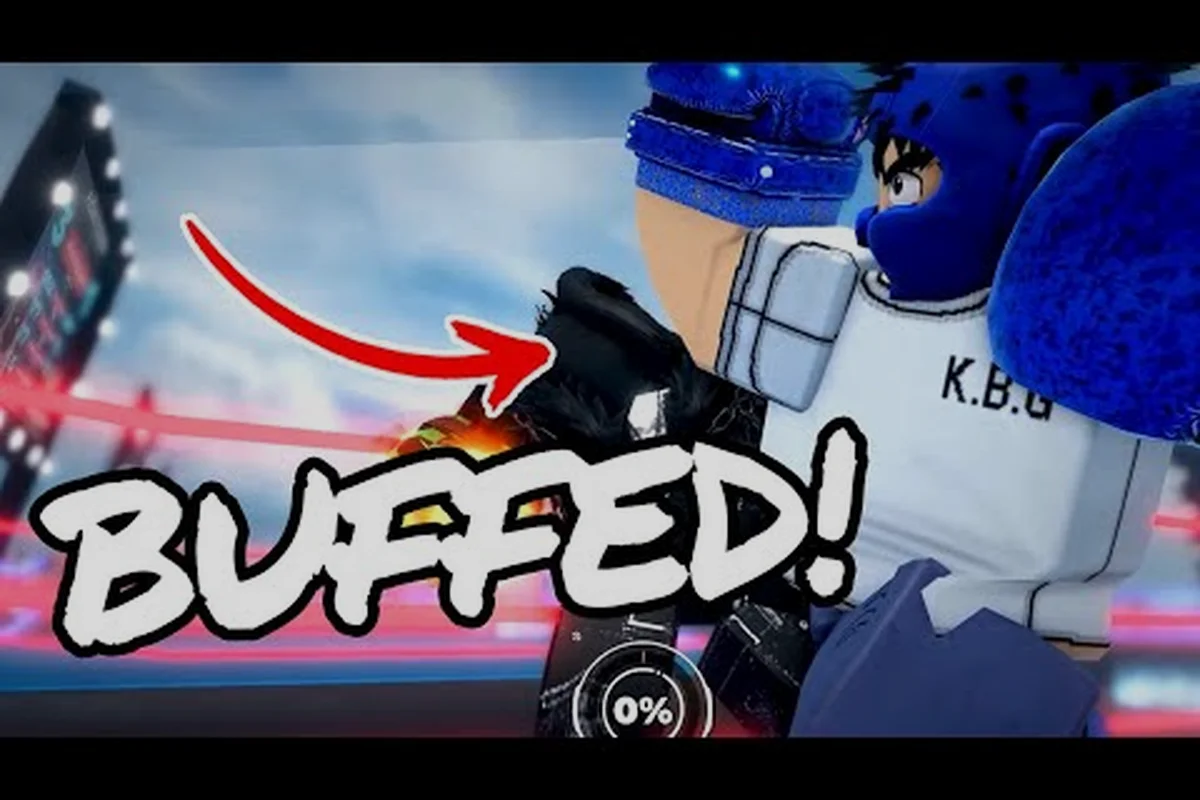
Turtle style ubg occupies a strange niche in Untitled Boxing Game: it is neither flashy nor fast, yet it quietly wins rounds through sheer defensive discipline. Understanding how this Uncommon kit actually functions matters because it teaches fundamentals that transfer to every other style in the roster. While aggressive players chase knockouts with smash style ubg or hammer style ubg, turtle players grind out victories by making opponents exhaust themselves against a wall of blocks and counters.
What Turtle Style Ubg Actually Does in a Match
The core identity of turtle style ubg revolves around a simple premise: take less damage, wait for mistakes, and punish with short combinations. According to community documentation on the Untitled Boxing Game Fighting Styles wiki, Turtle is classified as an Uncommon defensive style that emphasizes blocking and counterpunching. This means the kit does not reward constant forward pressure the way charge style ubg or corkscrew style ubg might reward aggressive tempo.
Blocking Efficiency and Damage Reduction
The primary mechanical advantage of turtle style ubg is its improved block durability. While exact percentage values shift between patches, community testing consistently reports that Turtle blocks absorb noticeably more chip damage than the baseline basic style ubg. This creates a scenario where trading blows becomes mathematically favorable for the Turtle player, because each blocked exchange costs the opponent more stamina and yields less damage than it would against other defensive kits.
| Attribute | Turtle Style | Basic Style | Smash Style |
|---|---|---|---|
| Block Durability | High | Medium | Low |
| Counter Damage | Above Average | Average | High |
| Movement Speed | Below Average | Average | Below Average |
| Stamina Drain on Block | Low | Medium | High |
| Learning Curve | Moderate | Low | Moderate |
The table above reflects general community consensus rather than official patch notes, and values may vary slightly depending on the current balance update. What remains consistent is that Turtle occupies the defensive end of the spectrum, trading mobility and raw damage for survivability and counter windows.
Counterpunch Windows and Timing
Because turtle style ubg encourages a reactive playstyle, the kit tends to open counter opportunities more frequently after a successful block. Players report that blocking a heavy attack from smash style ubg or hammer style ubg often leaves the opponent briefly vulnerable, creating a window for a two-to-three hit counter combination. This interaction is what makes Turtle surprisingly effective against aggressive kits that rely on committing to long attack strings.
How Turtle Style Compares to Other Defensive and Offensive Kits
Placing turtle style ubg alongside the broader roster reveals why it occupies a specific strategic niche. The game features several styles that reward patience, but Turtle distinguishes itself through accessibility: it is an Uncommon pull, meaning new players can realistically obtain it early without burning through excessive spins. This contrasts sharply with rarer defensive options that demand more investment.
Turtle Versus Smash and Hammer Styles
Smash style ubg and hammer style ubg both represent high-commitment power archetypes. They hit hard but leave their users vulnerable during recovery frames. Turtle style ubg exploits exactly this weakness, because its improved block allows it to absorb the initial blow and then respond while the opponent is still locked in recovery. The matchup therefore favors the Turtle player who remains calm and does not panic-block.
| Matchup | Turtle Advantage | Opponent Advantage | Key Factor |
|---|---|---|---|
| Turtle vs Smash | Counter windows after heavy attacks | Raw damage if Turtle overcommits | Block timing |
| Turtle vs Hammer | Stamina efficiency over long rounds | Knockdown potential on clean hits | Patience |
| Turtle vs Basic | Better block durability | Faster movement and adaptability | Positioning |
| Turtle vs Charge | Punishes predictable approach | Charge pressure can overwhelm blocks | Spacing |
Turtle Versus Corkscrew and Charge Styles
Corkscrew style ubg and charge style ubg both thrive on forward momentum. Corkscrew uses rotational strikes to break guards, while Charge builds pressure through sustained aggression. Against these kits, turtle style ubg must avoid standing still for too long, because even an improved block eventually cracks under relentless assault. The counterplay involves stepping back to reset spacing, then re-engaging when the opponent overextends.
Practical Gameplay Tips for Turtle Style Ubg Players
Success with turtle style ubg depends less on mechanical execution and more on decision-making under pressure. The kit rewards players who can read opponent habits and resist the urge to trade blows unnecessarily. Below are actionable strategies that community veterans consistently recommend for climbing ranked matches with this style.
Reading Opponent Patterns Before Countering
The first thirty seconds of any match should be treated as an information-gathering phase. Observe whether the opponent favors heavy attacks, jabs, or feints. Because turtle style ubg gains value from successful blocks, identifying which attacks the opponent throws most often allows you to anticipate and block them consistently. Players who skip this step often find themselves countering at the wrong moment and eating unnecessary damage.
-
Watch the first two exchanges without throwing a single counter, just to map the opponent's preferred opener.
-
Note whether the opponent feints before committing to heavy attacks, because feints are designed to bait premature blocks.
-
Track stamina habits — opponents who spam heavy attacks will gas out faster, creating late-round openings.
-
Adjust block timing after the first knockdown, because most players change their approach once they fall behind.
Stamina Management and Late-Round Advantage
One underrated strength of turtle style ubg is its efficiency over longer rounds. Because blocking with Turtle consumes less stamina than blocking with basic style ubg or offensive kits, the Turtle player often enters the final minute with a stamina advantage. This allows for more aggressive counterpunching late in the match, when the opponent is too tired to maintain pressure or escape effectively.
| Round Phase | Turtle Strategy | Expected Outcome |
|---|---|---|
| Opening 30s | Observe and block, minimal counters | Map opponent habits |
| Mid-round | Selective counters after heavy attacks | Build damage lead |
| Final 30s | Increase counter frequency | Exploit opponent fatigue |
| Overtime | Full defensive stance, punish mistakes | Win by decision or knockdown |
When Not to Play Turtle Style Ubg
Turtle style ubg is not a universal answer. Against opponents who play passively themselves, the matchup can devolve into a staring contest where neither side commits. In these situations, the Turtle player must be willing to initiate occasionally, even though the kit is not optimized for aggression. Knowing when to abandon pure defense and throw a surprise combination separates competent Turtle players from frustrating ones.
Building a Complete Loadout Around Turtle Style Ubg
Optimizing turtle style ubg extends beyond the style itself. The right supporting choices — from style slots to cosmetic titles — can reinforce the defensive identity and make ranked progression smoother. Players who treat Turtle as a standalone pick often miss synergies that amplify its strengths.
Style Slot Synergies and Backup Kits
Since Untitled Boxing Game allows multiple style slots, pairing turtle style ubg with a more aggressive backup creates a versatile loadout. When an opponent adapts to your defensive approach, switching to a pressure kit like charge style ubg or corkscrew style ubg can disrupt their rhythm. The key is switching at the right moment, because a predictable rotation is just as exploitable as a single-style strategy.
-
Slot 1 — Turtle Style: primary defensive kit for patient matchups and aggressive opponents.
-
Slot 2 — Charge or Corkscrew: aggressive backup for passive opponents who refuse to engage.
-
Slot 3 — Basic Style: neutral fallback for testing unfamiliar matchups without overcommitting.
Progression and Unlock Context
Because turtle style ubg is an Uncommon pull, it sits in the same rarity band as several other foundational kits. Players often acquire it incidentally while spinning for rarer styles like hammer style ubg or smash style ubg. Understanding this rarity context helps set expectations: Turtle is not a chase item, but it is a reliable tool that performs well above its rarity tier in the right hands. For a deeper look at how Turtle fits into the game's defensive design philosophy, the turtle style origin breakdown explores the archetype's roots and contrasts it with more aggressive kits.
Advanced Turtle Style Ubg Tactics for Ranked Climbing
Once the fundamentals are solid, turtle style ubg players can incorporate advanced techniques that elevate the kit from merely annoying to genuinely threatening. These tactics require practice but pay dividends in ranked matches where opponents are less likely to make unforced errors.
Baiting With Deliberate Block Pauses
A subtle but powerful technique involves pausing briefly after a successful block before countering. Most opponents expect an immediate response, so a half-second delay can cause them to drop their guard or throw a second attack. When they do, the Turtle player lands a cleaner counter because the opponent has already committed to their next action. This works especially well against smash style ubg users who rely on rhythm.
Spacing Control and Corner Pressure Reversal
Turtle style ubg struggles when pinned in a corner, because the improved block cannot compensate for limited escape options. Advanced players therefore prioritize maintaining center-ring position, using short backsteps to reset spacing whenever the opponent attempts to cut off angles. When cornered, the best response is often a well-timed counter rather than a desperate escape attempt, because a successful counter creates the space needed to rotate out.
| Situation | Beginner Response | Advanced Response |
|---|---|---|
| Opponent spams heavies | Panic block until stamina breaks | Selective block and counter |
| Pinned in corner | Dash out immediately | Counter to create space |
| Passive opponent | Wait indefinitely | Bait with feints and jabs |
| Stamina advantage | Play safe until round ends | Increase counter aggression |
Adapting to the Current Meta
The October 2026 meta has shifted somewhat due to the Street Fighter 6 collaboration, which introduced new aggressive options that challenge defensive playstyles. Turtle style ubg remains viable, but players must now contend with faster pressure sequences that punish overly passive blocking. The adjustment involves mixing in more preemptive jabs and occasional forward movement, because pure reaction-based defense is harder to sustain against the new tempo. Players interested in how defensive and offensive archetypes interact at a higher level can review the boxer style lore breakdown for context on how the roster's foundational designs influence modern matchups.
Frequently Asked Questions
Is turtle style ubg good for beginners?
Yes, turtle style ubg is one of the better beginner options because it teaches blocking discipline and counter timing without demanding complex inputs. New players learn to read opponent patterns and manage stamina, skills that transfer to every other style. The Uncommon rarity also makes it accessible early in progression.
How do I counter turtle style ubg?
The most effective counter is sustained pressure combined with feints to bait premature blocks. Because Turtle relies on successful blocks to generate counter windows, mixing up attack timing and using guard-break moves prevents the Turtle player from settling into a rhythm. Patience is also key, since rushing in recklessly plays directly into the kit's strengths.
Is turtle style better than basic style ubg?
Turtle style ubg offers superior block durability and counter potential compared to basic style ubg, but sacrifices movement speed and versatility. Against aggressive opponents, Turtle is generally stronger. Against passive or highly mobile opponents, basic style ubg may actually perform better because it allows for more proactive engagement.
Can turtle style ubg compete with smash style ubg in ranked?
Yes, turtle style ubg often performs well against smash style ubg because the latter's heavy attacks create predictable counter windows. The Turtle player who blocks patiently and punishes recovery frames can outlast the Smash player's stamina. However, a single clean Smash hit can swing the round, so consistent blocking remains essential.
What styles pair well with turtle style ubg in a loadout?
Charge style ubg and corkscrew style ubg pair well as aggressive backups, because they cover Turtle's weakness against passive opponents. Hammer style ubg also works as a high-risk finisher when you need a quick knockout. The key is switching styles at unpredictable moments to prevent opponents from adapting to a single approach.